


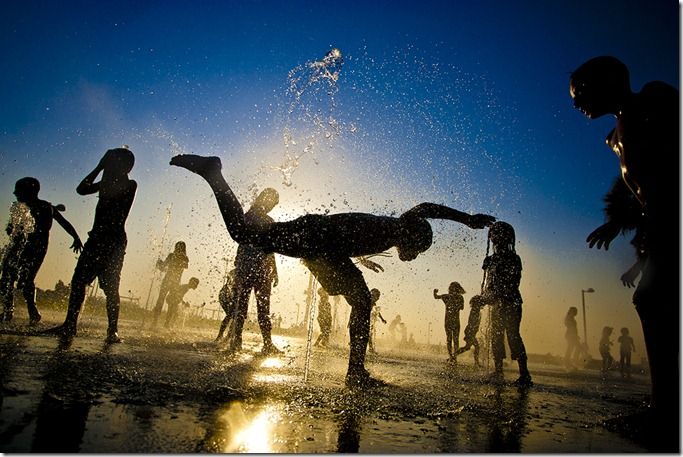
In most photographic situations, we try to get the exposure correct on the main subject of our photograph, even if that means that the background becomes over or under exposed. But sometimes we will purposely underexpose our subject, maybe to the point where it has no detail at all, in order to create a silhouette.
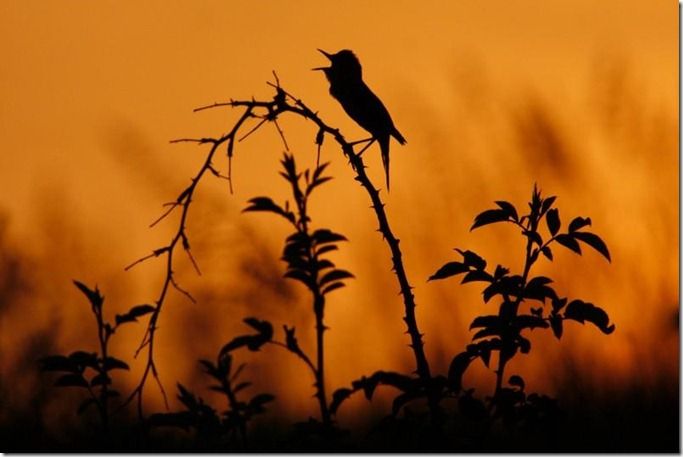
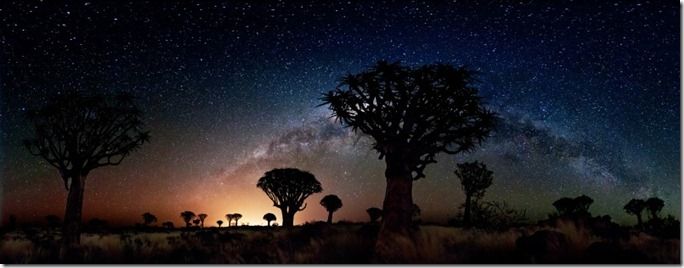
Silhouettes can make very atmospheric, evocative images. A palm tree - a single person standing on a mountain peak – a flock of birds – imagine any of those silhouetted against a sky streaked with the colours of a sunset, and you have a photograph with lots of emotional impact.
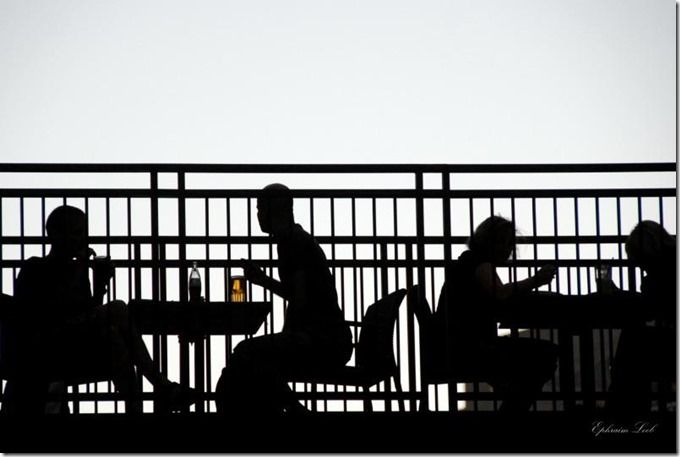
You don’t have to use the sky as a backdrop of course – any bright area will do. The sea sparkling in sunshine, or a brightly lit shop window at night, or a bonfire – there are lots of possibilities.
To make a successful silhouette photograph, there are a few guidelines to bear in mind. Firstly, make sure that you subject has a clear and interesting shape. Remember that it will only show in outline, with little or no detail of what is contained within the outline. If you have more than one subject against the bright background, try to keep your silhouetted shapes separate and uncluttered.
If your camera has an automatic flash, make sure that it is turned off!
What you are aiming to do in order to create a silhouette is to expose for your bright background, not for your subject. If you’re using an automatic exposure mode, you’ll need to point your camera at the background, press the shutter half way down to lock the exposure, and then reframe your picture while keeping that shutter button down and take the picture. Exposing for the background in this way should mean that your darker subject will come out as a silhouette.
If you have a choice of metering modes, then selecting either centre weighted or spot will enable you to meter more precisely from the bit of the background that you want to be correctly exposed.
However, this technique could cause problems with focus, as when you press the shutter half way, the camera will lock the focus on the background as well as exposing for it. The best way to get round this is to use manual focus instead of autofocus, and focus manually on your subject before you meter the background for the exposure.
It’s always a good idea to bracket around your first exposure, as this is a tricky sort of lighting situation for the camera’s meter to cope with. Then you’ll have a range of results to choose from, for the most evocative image.


