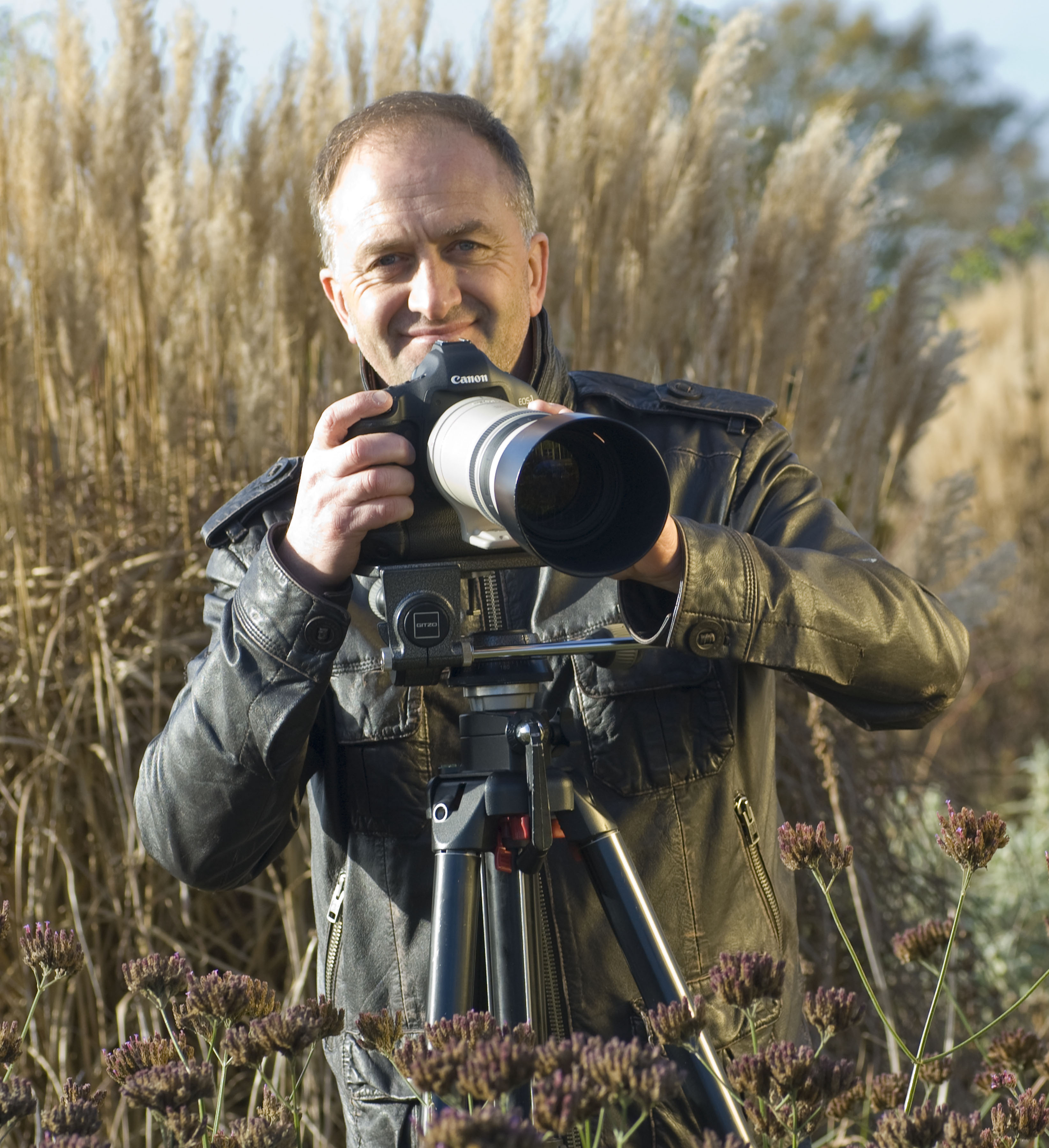
Clive Nichols, who runs our popular garden photography courses, has been a pro shooter for 30 years. He explains more about his courses and shares some tips for better garden and plant images.
When did you begin running courses for My Photo School and My Garden School?
About two years ago, and there have been a steady stream of pupils since.
Do you find a big difference between the technical ability of students coming from a gardening background compared to those who are photography enthusiasts?
I find that most students are photographers with an interest in gardens or flowers, rather than gardeners. Most have some technical ability, but lack direction and accuracy when it comes to taking photos of flowers. In fact, I don’t think that many of my students come from a gardening background. I could be wrong but few seem to know the Latin names of the plants that they photograph!
Do people need to invest in a lot of specialist equipment for your photography courses?
No not at all – obviously it helps if they have a tripod and an SLR or mirrorless camera with two or three lenses but it’s mainly about how to compose a picture and work with the available light.
What are the most common mistakes/areas for improvement you tend to see with beginners to garden photography?
The main mistake is the choice of subject. Some flowers, leaves, etc just aren’t that photogenic – often they are too damaged, or just don’t have any personality. So I convey this to students and encourage them to look for better subjects.
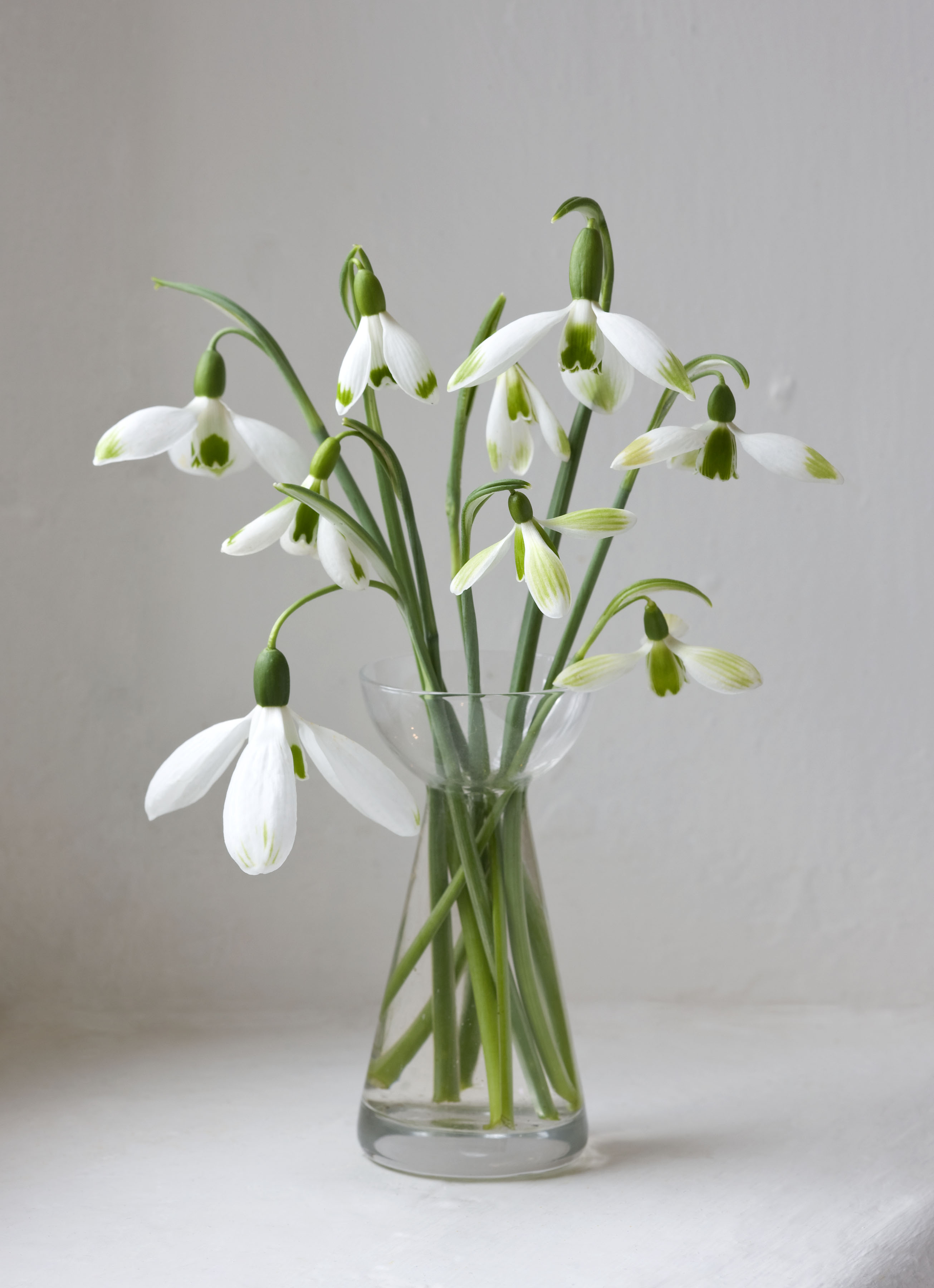
What are your five best tips to get better photos of gardens and plants?
* Use a tripod. It slows you down and helps you to compose more carefully, as well as keeping the camera still to ensure sharp shots.
* Look carefully at your subject before you shoot it – move around the subject to find the best angle and light and decide if it is worthy of a photograph at all.
* Shoot early in morning or late afternoon on sunny days, so that the light is more flattering to subjects
* If you are shooting outside during the daytime, try to choose a day where there is some cloud cover, as this will reduce contrast.
* Try to pre-visualize what the final image will look like – all good photographers have this ability
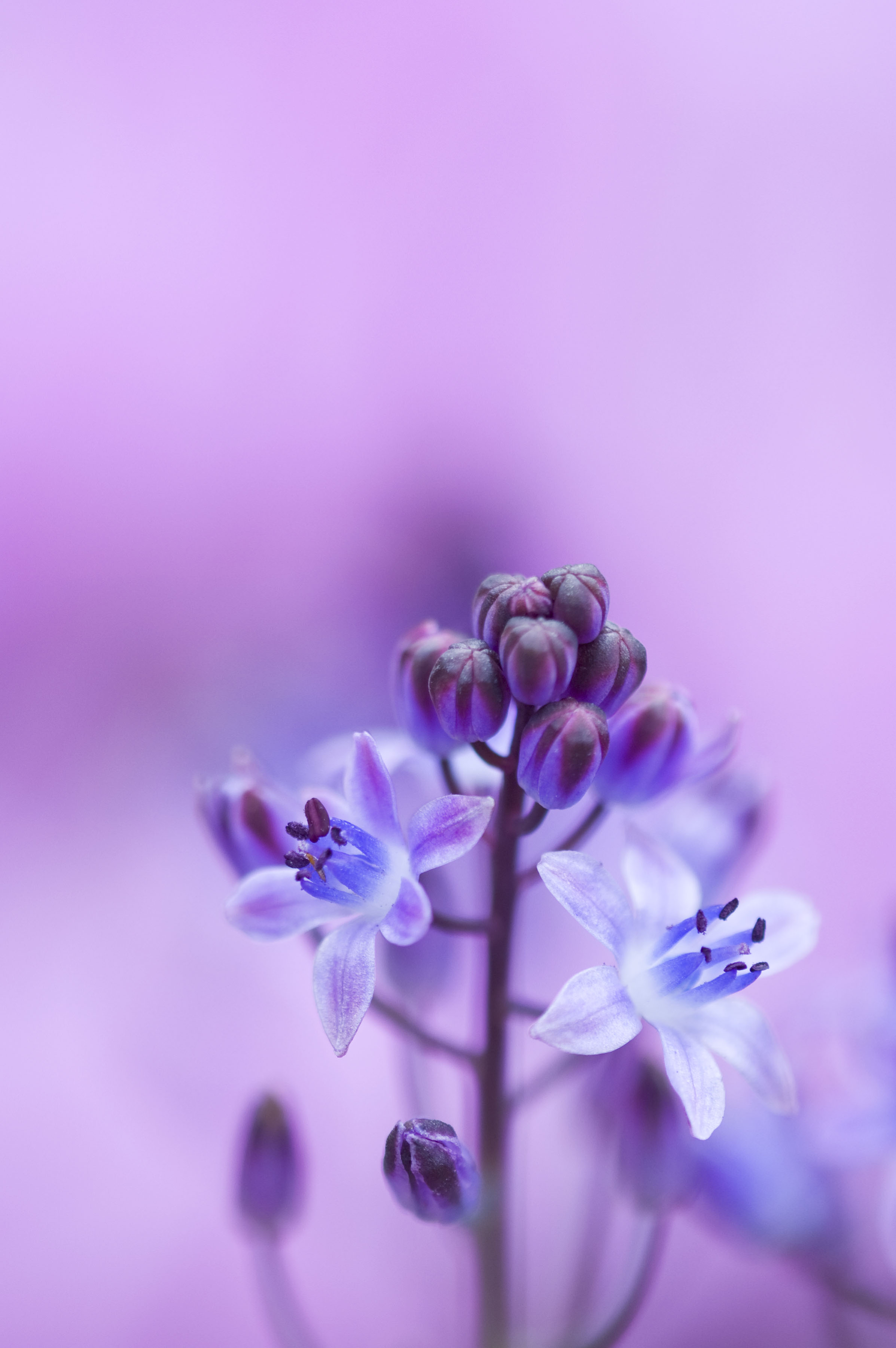
Equipment is one thing but how do you go about helping students improve their 'eye' and sense of composition?
I talk them through certain visual aids which can improve their photos – things like rule of thirds (where the subject is placed in a one-third area of the frame), mirroring, looking for patterns, filling the frame, using shadows to add depth to an image, and so on.
For more information on Clive’s photography and his forthcoming workshops, Click here.
For more information on Clive's photography course, Click here.